 Image 1 of 1
Coral Tooth Mushroom Grain Spawn
Coral Tooth Grain Spawn
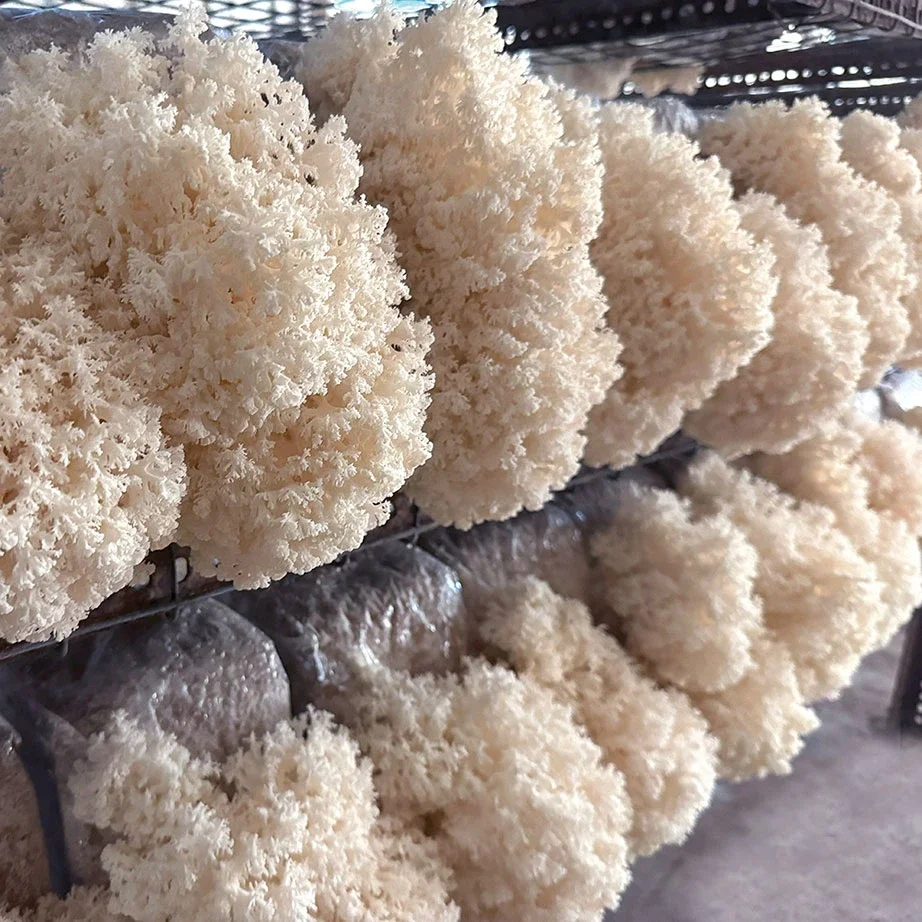
Commercial-grade Coral Tooth (Hericium coralloides) grain spawn, the strain we grow at Cotaco Creek Mushroom Farm. Coral tooth produces delicate, branching, icicle-like clusters that stand out at market and on the plate. Best suited to sterilized, supplemented hardwood sawdust and Master’s Mix.
What You’re Getting
Coral tooth is a close relative of lion’s mane, but instead of a dense, rounded head, it forms open, coral-like branches lined with fine, hanging spines. The flavor is mild and the texture is tender, making it a favorite for chefs who want something that looks as good as it tastes.
Your order contains fully colonized grain spawn, ready to mix into a properly prepared bulk substrate. We grow this coral tooth at Cotaco Creek Mushroom Farm in Somerville, Alabama, and offer it because it has earned a place in our own production lineup.
Why HC-FF?
Showstopping fruit. Coral tooth’s branching clusters draw attention in a market display and make a memorable plate for restaurant customers.
A different product from lion’s mane. Growers who already sell lion’s mane can add coral tooth for variety without learning a completely new set of growing conditions.
Built for supplemented sawdust. Coral tooth performs best on sterilized hardwood-based substrates, including Master’s Mix.
Best Uses
Sterilized supplemented hardwood sawdust or Master’s Mix fruiting blocks.
Grain-to-grain expansion in a clean workspace.
Indoor production in a controlled fruiting space, especially in fall, winter, and spring.
Growing Parameters
These are starting targets, not a promise of identical results in every room. Adjust based on your substrate, block size, airflow, and what the mushrooms are showing you.
Parameter Range:
Incubation temperature: 70–75°F; leave space between blocks so they do not overheat.
Fruiting temperature: About 54–68°F for dependable starting conditions; coral tooth prefers cool fruiting.
Fruiting humidity: About 85–95% RH. The fine spines dry out quickly, so keep humidity high and avoid spraying water directly onto the fruit.
Fresh air: Good air exchange. Too little fresh air can produce stunted or misshapen clusters.
Light: Indirect ambient light or a regular daily light cycle.
Substrates: Sterilized supplemented hardwood sawdust or Master’s Mix.
Storage & Handling
Use living spawn as soon as practical after delivery. If you cannot use it right away, keep the bag sealed and refrigerated, do not freeze it, and let it come toward room temperature before breaking it up and inoculating your substrate. Inspect the bag on arrival and contact us before using it if you see unusual colors, a damaged seal, or excess liquid.
About Cotaco Creek Mushroom Farm
We’re a small commercial mushroom farm in Somerville, Alabama. We grow the strains we offer and understand what matters when spawn is headed into a real production run: healthy colonization, careful handling, and practical guidance when you need it.
FAQ
Can I use this to make more grain spawn?
Yes. Grain-to-grain transfers are possible if you have sterile grain and a clean transfer setup, such as a flow hood or properly used still-air box. Each expansion adds contamination risk.
What inoculation rate should I use?
Start around 10–15% grain spawn by wet substrate weight for supplemented hardwood blocks, then adjust to your process. For example, a 10 lb prepared block at 10% receives about 1 lb of spawn.
Do I need a pressure cooker or autoclave?
Yes. Supplemented hardwood substrates such as Master’s Mix need a validated sterilization process. Let the substrate cool to inoculation temperature before adding spawn.
Is coral tooth the same as lion’s mane?
No. Both are Hericium species and grow under similar conditions, but lion’s mane forms a dense, rounded head while coral tooth forms open, branching clusters with finer spines.
Can I use this grain spawn on logs?
Grain spawn isn’t recommended for log inoculation. Plug or sawdust spawn is the better choice for logs.
Is this a grow kit?
No. Grain spawn is the inoculant. You still need to prepare a bulk substrate, let it colonize, and provide fruiting conditions.
Will coral tooth grow well in an Alabama summer?
It prefers cool fruiting conditions. In Alabama, it fits naturally into fall, winter, and spring production, or into a climate-controlled fruiting room in summer.