 Image 1 of 2
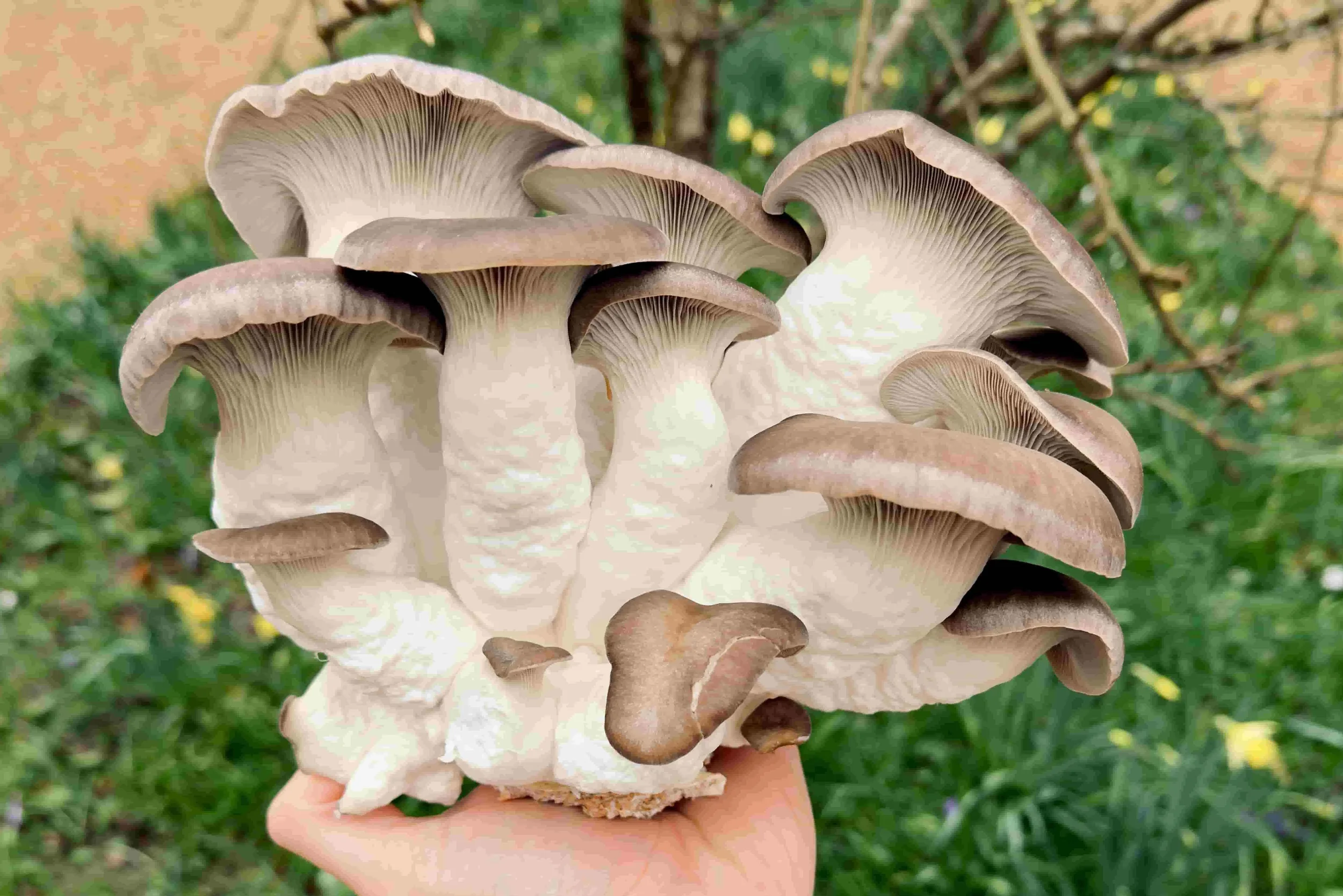 Image 2 of 2
Black Pearl King Mushroom Spawn
Black Pearl King Oyster Grain Spawn
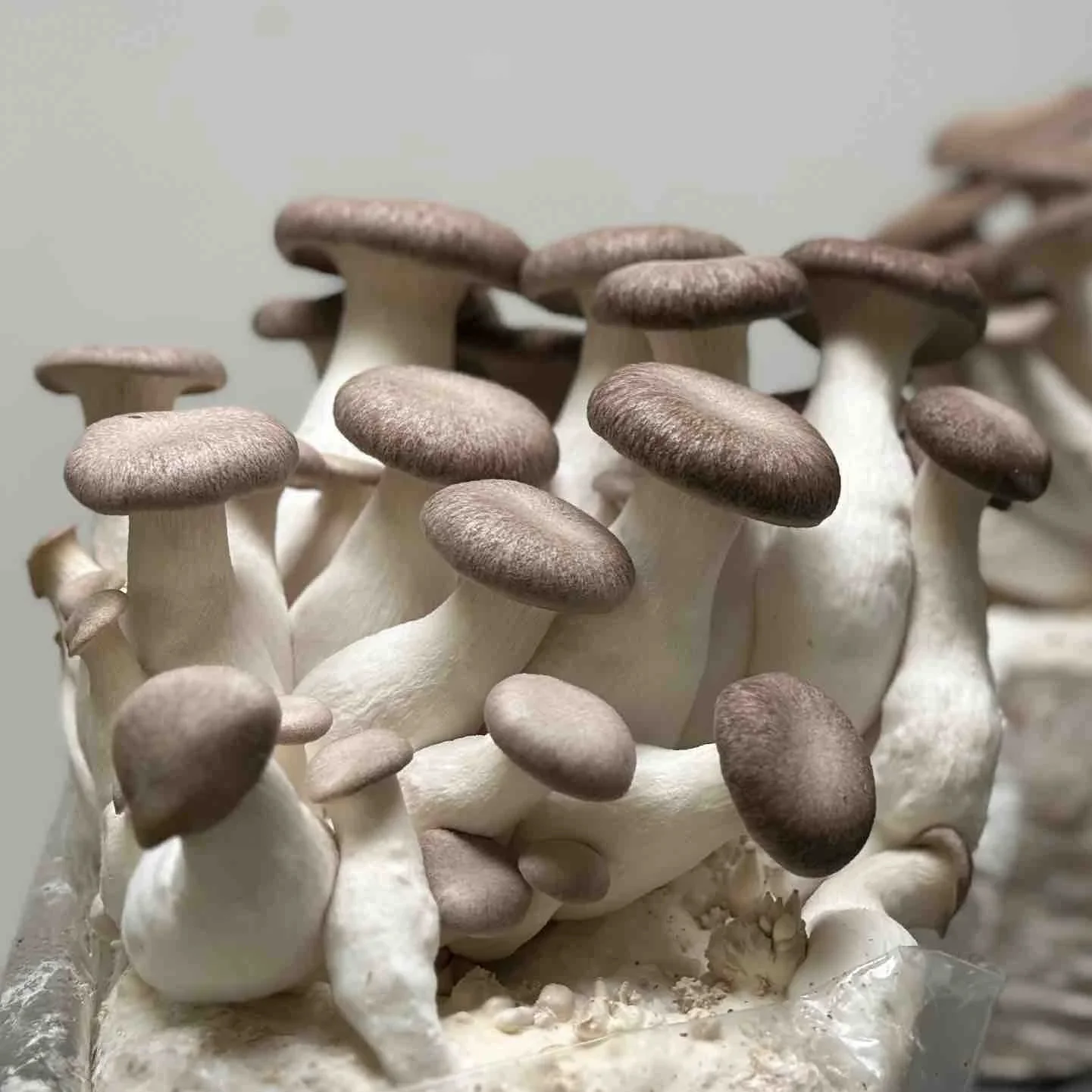
Commercial-grade Black Pearl King Oyster grain spawn, the strain we grow at Cotaco Creek Mushroom Farm. Known for thick, meaty stems, darker marbled caps, and clusters that look like a cross between a classic oyster and a king trumpet. Suitable for sterilized hardwood sawdust, Master’s Mix, and pasteurized straw substrates.
What You’re Getting
Black Pearl King (also sold as Black King, Black Pearl Oyster, or Shimofuri) is an oyster hybrid that originated in Japan. It fruits in clusters like an oyster but forms wider, firmer stems more like a king trumpet, so you get the ease of growing an oyster with a texture chefs love. Despite the name, it is not a true King Oyster (Pleurotus eryngii).
Your order contains fully colonized grain spawn, ready to mix into a properly prepared bulk substrate. We grow Black Pearl King at Cotaco Creek Mushroom Farm in Somerville, Alabama, and offer it because it has earned a place in our own production lineup.
Why Black Pearl King?
Stems worth selling. Black Pearl King’s thick, tender stems mean less trimming and more usable weight per harvest, and the whole mushroom can be cooked, cap and stem.
Striking on the table. The dark, marbled caps stand out in a market display and on a restaurant plate, especially next to lighter oyster varieties.
Easier than King Oyster. It colonizes the same substrates as other oysters and is generally more forgiving to grow than a true King Oyster.
Versatile substrates. Use it with sterilized hardwood-based substrates, including Master’s Mix, or pasteurized straw.
Best Uses
Sterilized hardwood sawdust or Master’s Mix fruiting blocks.
Pasteurized straw bags, buckets, or columns.
Grain-to-grain expansion in a clean workspace.
Cool-season production when room temperatures are easier to hold.
Growing Parameters
These are starting targets, not a promise of identical results in every room. Adjust based on your substrate, block size, airflow, and what the mushrooms are showing you.
Parameter Range:
Incubation temperature: 68–75°F; leave space between blocks so they do not overheat.
Fruiting temperature: About 59–70°F for dependable starting conditions; Black Pearl King prefers cooler fruiting than many common oysters.
Fruiting humidity: About 85–95% RH, with fresh air and no standing water on the mushrooms.
Light: Indirect ambient light or a regular daily light cycle.
Substrates: Sterilized hardwood sawdust or Master’s Mix; pasteurized straw.
The 59–70°F fruiting range is published guidance from another Black Pearl King seller. Stem thickness and cap shape respond strongly to fresh air: too little airflow gives long, thin stems, while good air exchange produces the compact, thick-stemmed clusters this strain is known for.
Storage & Handling
Use living spawn as soon as practical after delivery. If you cannot use it right away, keep the bag sealed and refrigerated, do not freeze it, and let it come toward room temperature before breaking it up and inoculating your substrate. Inspect the bag on arrival and contact us before using it if you see unusual colors, a damaged seal, or excess liquid.
About Cotaco Creek Mushroom Farm
We’re a small commercial mushroom farm in Somerville, Alabama. We grow the strains we offer and understand what matters when spawn is headed into a real production run: healthy colonization, careful handling, and practical guidance when you need it.
FAQ
Can I use this to make more grain spawn?
Yes. Grain-to-grain transfers are possible if you have sterile grain and a clean transfer setup, such as a flow hood or properly used still-air box. Each expansion adds contamination risk.
What inoculation rate should I use?
Start around 10–15% grain spawn by wet substrate weight for prepared straw or hardwood-based blocks, then adjust to your process. For example, a 10 lb prepared block at 10% receives about 1 lb of spawn.
Do I need a pressure cooker or autoclave?
For supplemented hardwood substrates such as Master’s Mix, use a validated sterilization process. Straw is commonly pasteurized instead. Let either substrate cool to inoculation temperature before adding spawn.
Is this a grow kit?
No. Grain spawn is the inoculant. You still need to prepare a bulk substrate, let it colonize, and provide fruiting conditions.
Is Black Pearl King the same as King Oyster?
No. It shares the thick stem and meaty texture people like about King Oyster, but it grows in clusters like other oysters and is generally easier to cultivate.
Will Black Pearl King grow well in an Alabama summer?
It’s better suited to cooler conditions. In Alabama, it fits naturally into fall, winter, and spring production, or into a climate-controlled fruiting room in summer. For hot-weather oysters, consider a warmer-weather strain.